


Building a culture of belonging through diversity and inclusion
Diversity and inclusion (D&I) are increasingly important for Australian organisations, offering a range of benefits, including:
Improved employee engagement and productivity
Enhanced creativity and innovation
Improved decision making
Reduced employee turnover
Enhanced customer satisfaction
Improved reputations
Diversity includes aspects of individuals such as race, culture, gender, sexual identity, age, and spiritual beliefs. Inclusion means that everyone feels valued and respected, regardless of their differences. It means that everyone can contribute their ideas and talents to the organisation.
Completing this microskill will demonstrate the following aspects of the NSW Public Sector Framework:
Personal Attributes: Value Diversity and Inclusion | Adept
This means being able to:
Promote the value of diversity and inclusive practices for the organisation, customers, and stakeholders.
Demonstrate cultural sensitivity and engage with and integrate the views of others.
Look for practical ways to resolve any barriers to including people from diverse cultures, backgrounds, and experiences.
Recognise and adapt to individual abilities, differences, and working styles.
Support initiatives that create a safe and equitable workplace and culture in which differences are valued.
Recognise and manage bias in interactions and decision making.

Community Services Reports
Topic containing all Community Services Reports for:
Introduction to Child Protection & Mandatory Reporting in NSW
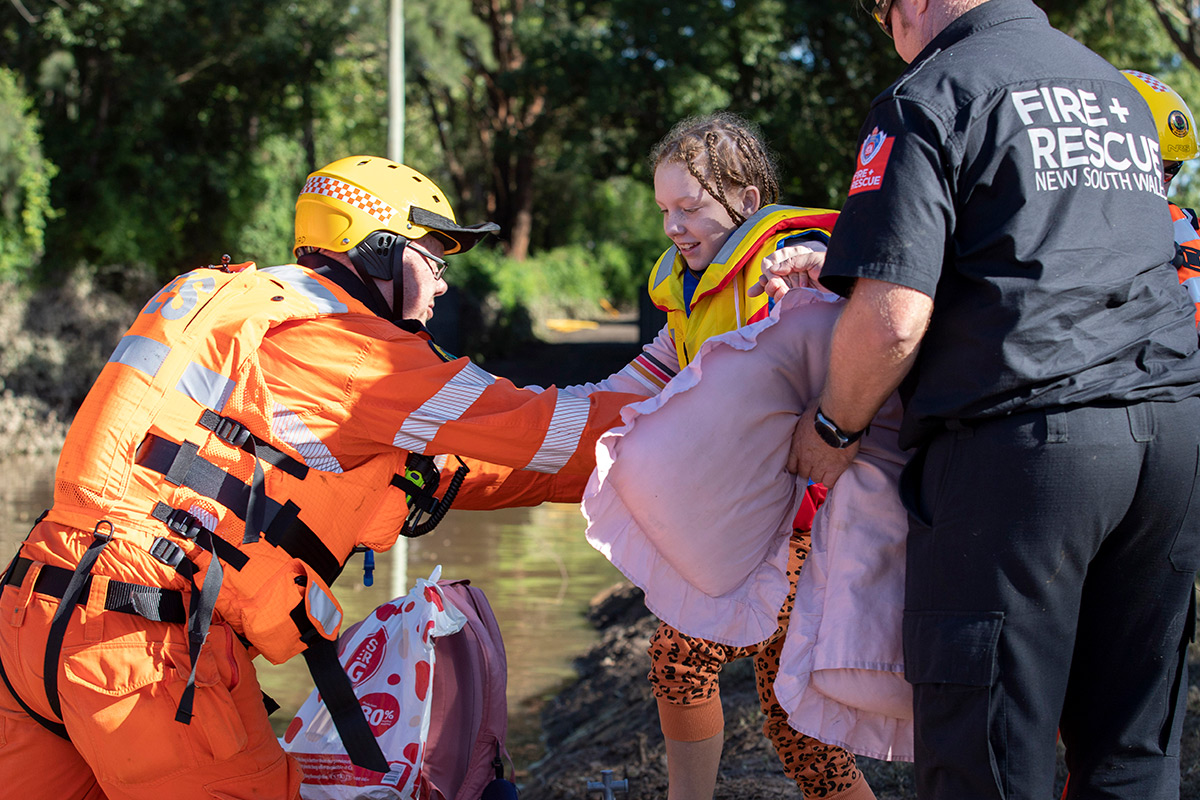
Introduction to Trauma Informed Care
This course has been developed for anyone working in the Health, Welfare or Education Sectors, or in Community Services, or anyone who, through their business, has direct contact with clients.
There are 3 modules in this course.
By the end of the course you will be able to:
understand what Trauma Informed Care is and why it is important
recognise the signs and symptoms of trauma
respond appropriately to trauma.

Introduction to Child Protection and Mandatory Reporting in NSW
Any community services worker who works with children and families is a mandatory reporter under NSW Legislation. This means that they are required to identify, and report concerns about child abuse to the NSW government.
This short-course will assist mandatory reporters to:
understand their legal requirements under the legislation,
and how to identify different types of abuse, and
use the Mandatory Reporter Guide (MRG) to assist them to determine if their concerns meet the threshold for reporting to the NSW Department of Communities and Justice (DCJ)