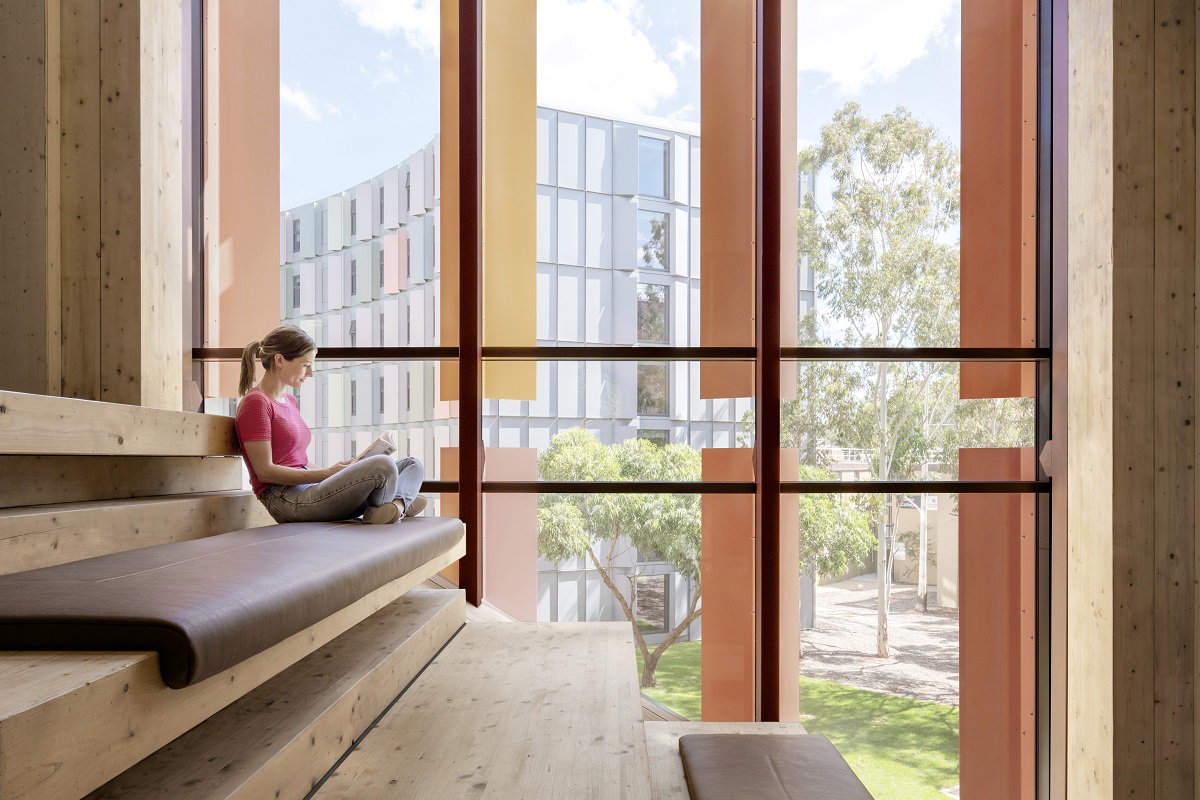
Feasibility, risk analysis and procurement of mid-rise timber structures
In this course you will learn about the developer’s best approach to using timber structures in mid-rise projects, and the advantages when correctly designed and procured.
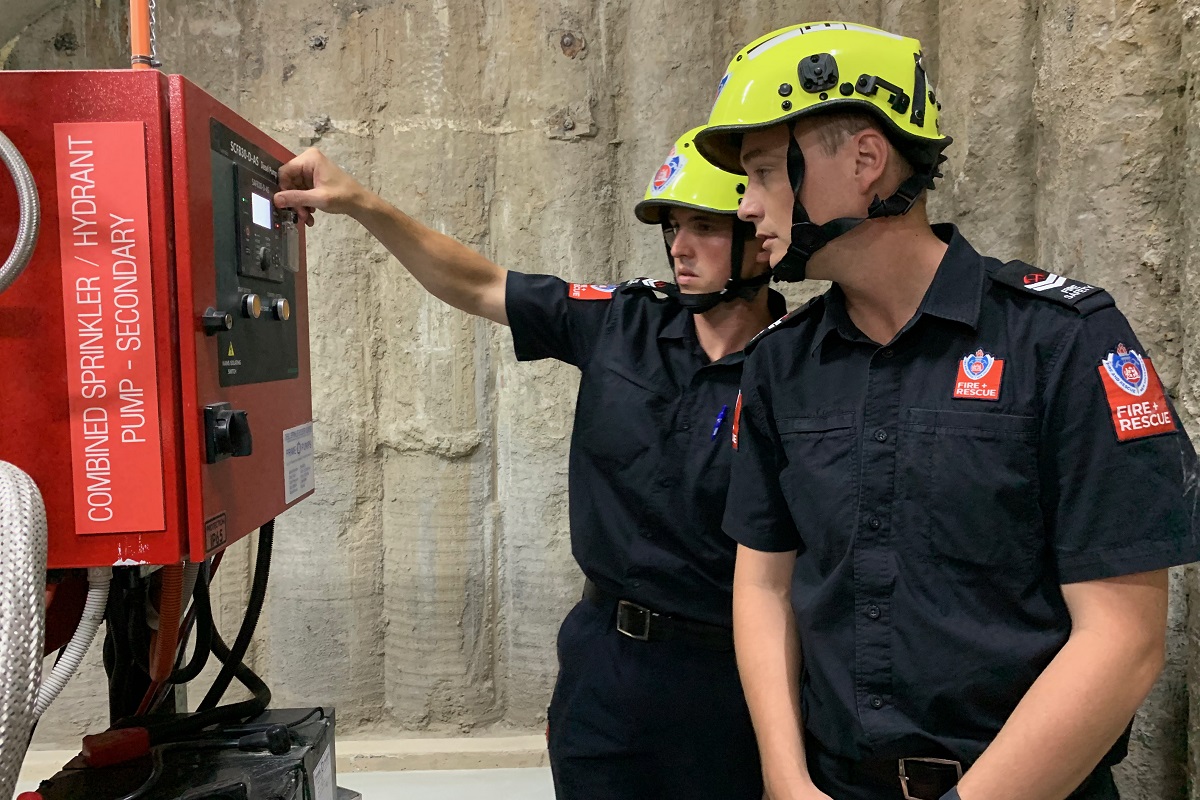
Fire and Rescue NSW regulatory pre-occupancy inspections
In this course, you will gain an understanding of the Fire and Rescue NSW pre-occupation building inspection process and the legislation that underpins it. The course is designed to help you better prepare to get it right first time, to avoid common mistakes in the construction, application and inspection process and get the approvals you need on time and on budget.
This course covers:
FRNSW obligations under the Environmental Planning and Assessment Regulation
why FRNSW are committed to clear and consistent building fire safety standards
how to avoid the typical problems FRNSW sees during the pre-occupancy inspection
the impacts that inadequate systems can have on occupant and firefighter safety.
This course is aimed at all relevant stakeholders in the construction industry to help understand the purpose, benefits and aims of FRNSW’s regulatory pre-occupancy inspection.
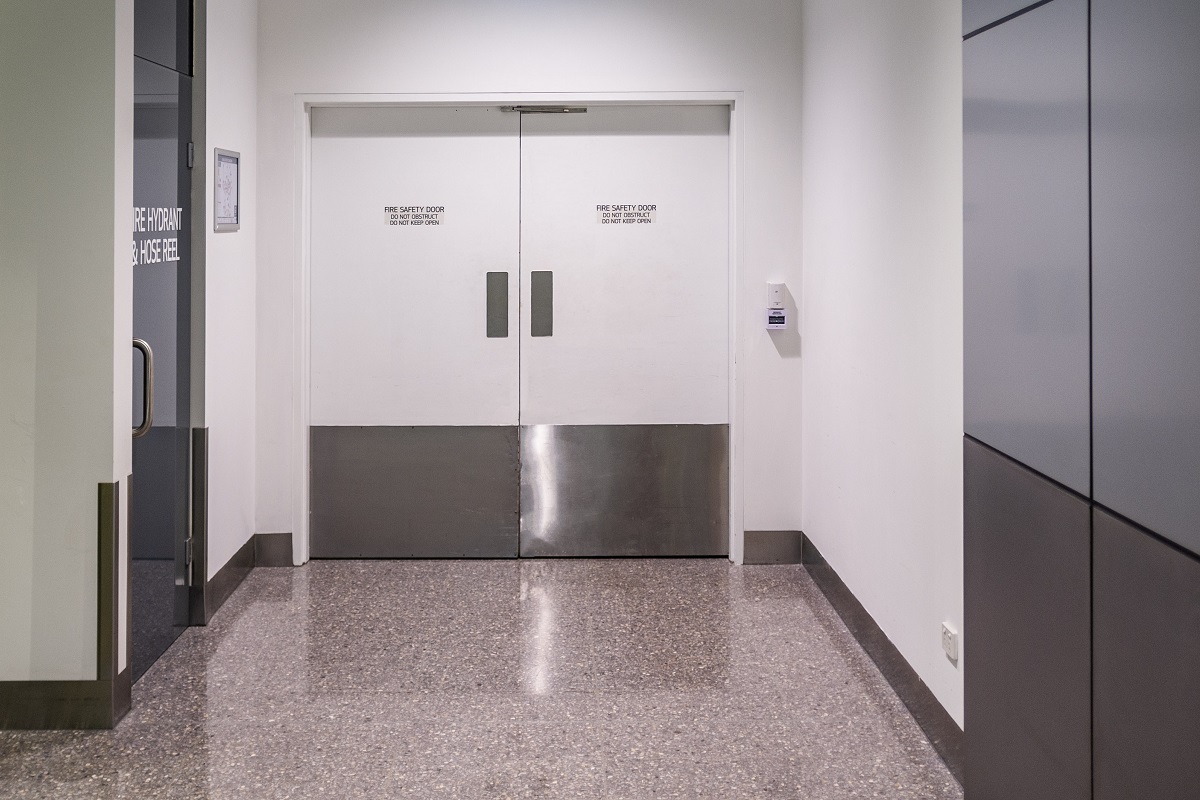
Fire Safety Measures: Fire Doors
This short course will help you better understand and apply the standards when assessing fire doors as an accredited practitioner Fire Safety Assessor (Fire Safety), commonly known as a Fire Safety Assessor.

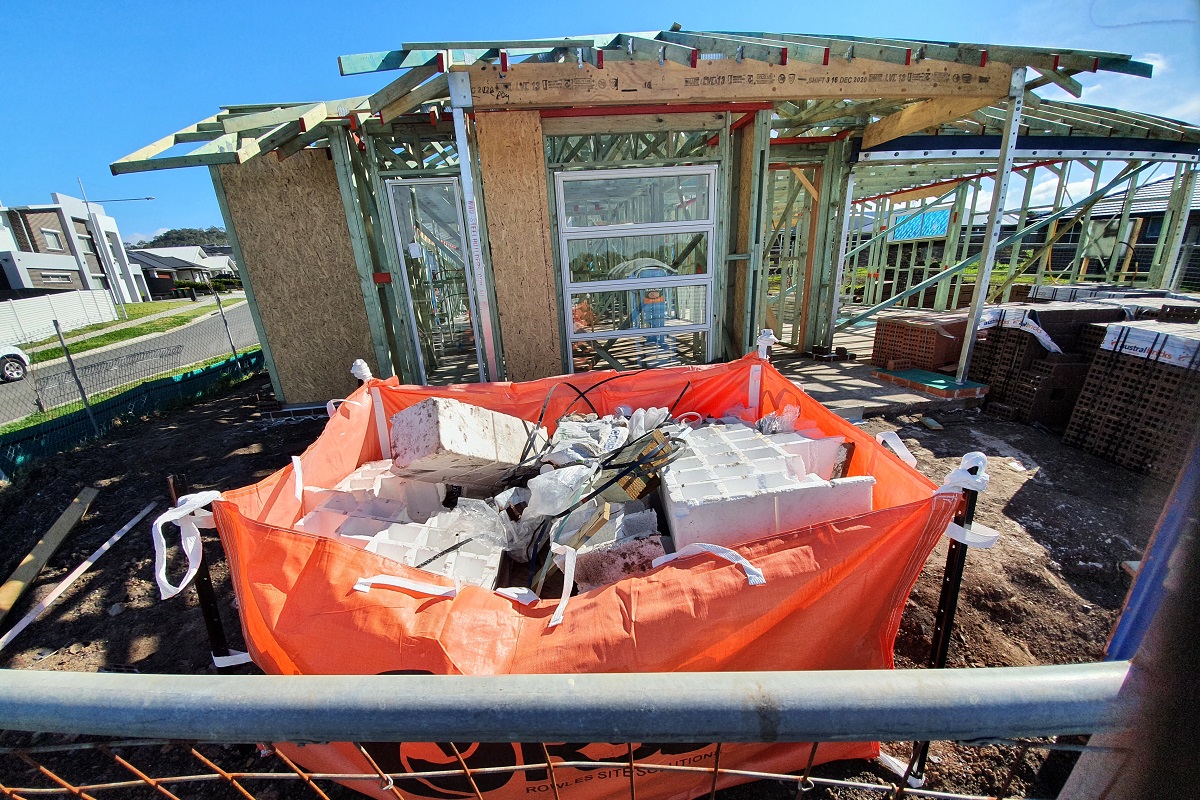
How to reduce construction waste and improve productivity
In this Construct NSW course, you will learn about how to reduce waste and improve productivity in construction projects. This course is for all members of the construction industry. It explains where construction waste is generated and how it can be reduced in all stages of a construction project in Australia.
Whether you're a developer, a designer, a builder, a certifier, a tradie, a supplier, an installer, or a manufacturer, construction waste is everyone's responsibility. Minimising waste is good for the environment and for your project's bottom line.
In this course you will learn:
where construction waste is generated and how much is generated each year
the economic and environmental benefits of reducing construction waste
what changes you can make to actively reduce waste in your construction projects pre, during and post-construction
ways that those in other roles can also reduce waste.


Integrated Testing and Commissioning
An operational building is achieved through the collaborative efforts of the project team whose expertise is integrated to create both a built space and an operational system.
This requires integration at every level of the design and execution process. Poorly integrated testing and commissioning process can result in negative outcomes for the operation, performance, energy consumption and longevity of a building, as well as the health, wellbeing and comfort of its occupants.
This course will assist design and building practitioners to develop better project and design outcomes through effective collaboration and well-integrated testing and commissioning processes.
Topics covered include:
why integrated testing and commissioning is important
project stakeholders, roles and responsibilities
the benefits of the lifecycle approach
the purpose, sequence and scheduling of commissioning activities
strategies to support the ease, efficiency and productivity of testing and commissioning
an overview of key applicable relevant Australian Standards and why they matter
Multi-disciplinary Design Integration
In this course you will learn about the process of designing a building and what should be achieved at each phase. In particular, the behaviours and processes required to:
protect the design integrity of a building or place
ensure coordinated outcomes between all Design Practitioners
ensure that what is designed and agreed (by authorities, certifiers and other professionals) is then built accurately and with quality materials.
This course is not intended to be a comprehensive list of tasks or obligations for design practitioners. The process is summarised to highlight the key coordination and integration behaviours and processes that should occur in a project.
Navigating the Design and Building Practitioners (DBP) legislation
In this Construct NSW course, you will learn about the DBP legislation that commences on 1 July 2021. By the end of the course you will understand:
why the legislation was introduced and its intended outcomes
how to navigate the legislation, including the registration of:
engineers for professional engineering work
designers and builders to make compliance declarations.
your statutory obligations, and the obligations of others involved in a project, under the DBP legislation
who needs to comply with the new legislation.
This course is aimed at all design and building practitioners who work on Class 2 buildings.

Producing compliant designs
In this Construct NSW course, you will learn about the design guidelines. It highlights best practice standards and common pitfalls to look out for when preparing declared designs so that you have a successful audit process. Topics include:
Understand what a compliant design looks like.
Understand the requirements in the legislation, design guidelines and Ministerial orders.
Understand what the types of issues/common faults if you don’t follow the requirements – through the lens of each key building element.
Understand how to produce a sufficiently detailed design - guidance material.
Know what a good design looks like with reference to the design guidelines.
What quality assurance mechanisms can be used to be invested in to get this process right?
Guidance material about design declarations.
Understand themes around design integration and the Design Practitioner’s Handbook.
Project Remediate: Safety standards at occupied sites
This course explains the best practice standards that apply to Project Remediate, the program that replaces flammable cladding on eligible Class 2 residential apartment buildings in NSW.
This course will cover:
how Project Remediate supports owners corporations to remediate combustible cladding
the increased safety standards that apply to occupied sites and working safely at heights
phasing of works before, during and after remediation
site risk assessment framework and incident reporting
the Possession of Site Passport
fire risks and how to mitigate them.

Project Remediate: Safety standards at occupied sites for management
This course is mandatory for remediation contractors, designers and superintendents working on Project Remediate. It explains your role and the processes and systems in place to monitor and comply with Project Remediate safety standards that apply to you and all workers.
Before you do this course, you need to successfully complete Project Remediate: Safety standards at occupied sites.
This course will cover:
who is involved in Project Remediate and your role and responsibilities as Remediation Contractor
phasing of works conducted before, during and after remediation
duty of care
contractor registration
work protocols
construction management plan
media engagement policy.
Project Remediate: Understanding the program
In this course, you will learn about Project Remediate, a 3-year NSW Government program to facilitate the remediation of potentially combustible cladding on eligible high-risk residential apartment buildings, including:
what's involved in the program
the benefits for owners corporations
how the program will work
who's eligible
how to participate.
This course is aimed at strata managers and committee members (for schemes that are self-managed) to help them understand the program and explain it to lot owners who will decide whether their strata scheme should join.